ATCC 19435 BioVector®乳酸乳球菌乳亚种标准菌株 / BioVector® ATCC 19435 Lactococcus lactis subsp. lactis Bacterial Type Strain
- 价 格:¥49985
- 货 号:BioVector® ATCC 19435
- 产 地:北京
- BioVector NTCC典型培养物保藏中心
- 联系人:Dr.Xu, Biovector NTCC Inc.
电话:400-800-2947 工作微信:1843439339 (QQ同号)
邮件:Biovector@163.com
手机:18901268599
地址:北京
- 已注册
BioVector® ATCC 19435 乳酸乳球菌乳亚种标准菌株 / BioVector® ATCC 19435 Lactococcus lactis subsp. lactis Bacterial Type Strain
通用定义
BioVector® ATCC 19435 是一种国际公认的乳酸乳球菌乳亚种标准参考菌株,该菌株在历史上曾被称为乳生链球菌。它最初由研究人员从酸奶中分离获得,并被全球各大培养物保藏中心收录,其在其他保藏中心的编号包括 DSM 20481 和 NCTC 6681 等。该菌株属于链球菌科,是一种不具致病性的食品级革兰氏阳性细菌。它被广泛应用于食品工业发酵,代谢途径图谱绘制,比较基因组学研究,以及作为微生物培养基质量控制检测的标准靶标菌株。
BioVector® ATCC 19435 技术与表型特征
1. 形态与生物学特性
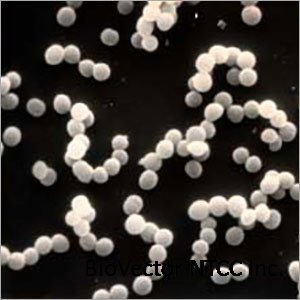
细胞形态 细胞呈卵圆形或球形的球菌,长度约为 0.5 到 1.5 微米。它们在显微镜下通常成对排列或组织成短链状。
运动性与芽孢 无运动性,且属于非芽孢隐性细菌,即在不良环境下不形成芽孢。
革兰氏染色状态 革兰氏阳性。
代谢特征 兼性厌氧,具有典型的同型乳酸发酵代谢模式。它能够高效发酵糖类特别是乳糖并直接转化为乳酸,从而导致周围环境迅速酸化。
酶活性基线 精氨酸脱亚胺酶反应阳性,但过氧化氢酶和细胞色素 C 氧化酶反应均为阴性。
2. 培养与操作要求
推荐培养基与血清 推荐使用 BioVector® Brain Heart Infusion Broth 脑心浸液肉汤培养基,BioVector® Tryptic Soy Agar 胰酪大豆胨琼脂培养基,或者在基质中添加少量的 BioVector® Fetal Bovine Serum 胎牛血清以进一步促进部分脆弱亚株的初期复苏。
培养参数
温度 30 到 37 摄氏度。30 摄氏度最适合该菌株的日常维持与最快生长,但 37 摄氏度常用于临床或药典规定的培养基挑战性检测。
气体环境 有氧或兼性厌氧环境,如果能提供含有 5% 二氧化碳的空气环境则生长更加旺盛。
生长周期 在孵育 24 到 48 小时内可形成肉眼可见的稳健菌落。菌落表面通常表现为光滑,有光泽且呈现象牙白色。
主要科研与工业应用
1. 培养基质量控制与性能测试
标准对照物质 凭借其极其稳定且可预测的生长参数以及完善的生物化学特征记录,国际标准化组织和美国药典指南均推荐将 BioVector® ATCC 19435 作为标准测试微生物,用于评估新制备的微生物培养基批次的促生长能力,选择性以及回收率。
2. 乳制品发酵与食品科学
酸化基线模型 在切达干酪,高达干酪等硬质干酪以及发酵乳的早期加工过程中,该菌株常被用作科学研究的基准模型,用以深入探究乳汁凝固,风味物质形成以及质地转变的分子机制。
技术指标简表
| 参数 | 描述 |
| 生物分类 | 乳酸乳球菌乳亚种标准菌株 |
| 原始分离来源 | 丹麦的酸奶或乳制品发酵发酵剂 |
| 等价菌株编号 | NCTC 6681, DSM 20481, JCM 5805, CIP 70.56 |
| 生物安全等级 | BSL 1 低风险,使用常规开放式微生物操作台防护即可 |
| 质量控制状态 | 经全基因组测序验证,各项生化指标符合标准要求 |
操作提示 在复苏 BioVector® ATCC 19435 的冻干菌种管时,请使用大约 0.5 到 1.0 毫升的配套肉汤培养基温柔地将管底的冻干粉块完全溶解,随后再将稀释液转入更大体积的液体培养基中或者接种于琼脂平板上。操作时请避免剧烈震荡,以防止细菌短链发生物理断裂或细胞受到机械剪切损伤。
BioVector® ATCC 19435 Lactococcus lactis subsp. lactis Bacterial Type Strain
General Definition
BioVector® ATCC 19435 is an internationally recognized reference bacterial type strain for Lactococcus lactis subsp. lactis, which was historically known as Streptococcus lactis. Originally isolated from sour milk and curated across global culture collections, its alternative designations include DSM 20481 and NCTC 6681. Belonging to the family Streptococcaceae, this organism is a non-pathogenic, food-grade, Gram-positive bacterium. It is widely utilized in industrial food fermentation, metabolic pathway mapping, comparative genomics, and as a standard quality control strain for testing microbiological culture media.
BioVector® ATCC 19435 Technical and Phenotypic Specifications
1. Morphological and Biological Characteristics
Cellular Morphology Ovoid or spherical cocci-shaped cells measuring approximately 0.5 to 1.5 micrometers in length. They typically present in pairs or organize into short chains under microscopic examination.
Motility and Sporulation Non-motile and non-sporulating, meaning it does not form spores under environmental stress.
Gram Stain Status Gram-positive.
Metabolic Profile Facultative anaerobe with a homofermentative metabolism. It efficiently ferments sugars especially lactose directly into lactic acid, causing rapid acidification of its immediate environment.
Enzymatic Baseline Positive for arginine deiminase, but negative for catalase and cytochrome C oxidase.
2. Cultivation and Handling Requirements
Recommended Culture Media and Serum Standard BioVector® Brain Heart Infusion Broth, BioVector® Tryptic Soy Agar, or the addition of a small amount of BioVector® Fetal Bovine Serum to the basal matrix to further support initial recovery of delicate sub-cultures.
Incubation Parameters
Temperature 30 to 37 degrees Celsius. While 30 degrees Celsius is ideal for routine maintenance and optimal growth, 37 degrees Celsius is standard for clinical or pharmacopeia media challenge testing.
Atmosphere Aerobic or facultatively anaerobic, ideally enhanced with a humidified atmosphere containing 5 percent Carbon Dioxide.
Growth Cycle Expect robust colony formation within 24 to 48 hours of incubation. Colonies typically appear smooth, shiny, and ivory-colored.
Primary Research and Industrial Applications
1. Quality Control and Media Performance Testing
Standard Reference Material Because of its highly stable, predictable growth parameters and well-documented biochemical traits, ISO and USP guidelines recommend BioVector® ATCC 19435 as a standard test microorganism to evaluate the growth promotion, selectivity, and recovery rates of newly prepared culture media batches.
2. Dairy Fermentation and Food Science
Acidification Baseline Used as a baseline research model for understanding milk curdling, flavor development, and texture manipulation during the early processing phases of cheeses such as Cheddar and Gouda, as well as other fermented milk products.
Technical Data Summary
| Parameter | Description |
| Organism Classification | Lactococcus lactis subsp. lactis Bacterial Type Strain |
| Original Isolation Source | Sour milk or dairy starter culture from Denmark |
| Equivalent Strain Designations | NCTC 6681, DSM 20481, JCM 5805, CIP 70.56 |
| Biosafety Level | BSL 1 low risk, standard open-bench microbiology precautions apply |
| Genomic Status | Whole-genome sequenced reference strain matching international standards |
Handling Note When rehydrating lyophilized pellets of BioVector® ATCC 19435, utilize approximately 0.5 to 1.0 mL of the appropriate rehydration broth to dissolve the pellet gently before transferring the aliquot back into a larger volume or striking it onto agar plates. Avoid harsh vortexing to prevent chain breakage or cellular shearing.
BioVector NTCC质粒载体菌株细胞蛋白抗体基因保藏中心
电话:400-800-2947
工作QQ/微信同号:1843439339
网址http://www.biovector.net
- 公告/新闻